PROGRESSIVE ZEN JUDO
at Kenshindoryu
Zen Judo is a thoughtful, non-contest style of Judo, in which Professor Kano’s maxims of ‘mutual benefit’ and ‘maximum efficient use of force’ are at the forefront of practice, making it ideal for beginners, families, older players and those proficient in the striking arts who want to have ability at close-range
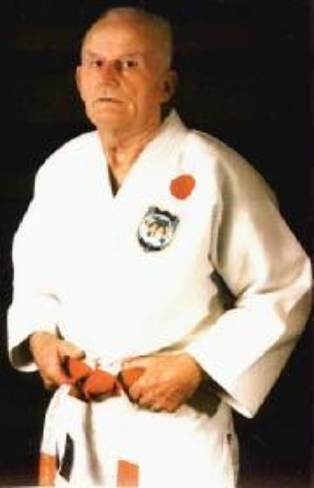
The Zen style of Judo was formed in 1975 by Dominick McCarthy, an ex-Royal Marine Commando who knew the value of disciplined practice of martial skills. He also knew that practicing Judo solely as a sport, with a narrow focus on always winning, was unlikely to realise the real benefits of the art to the judoka, namely, self-confidence, courage and self-improvement.
Zen Judo’s constant aim for perfection of technique across a wide range of throws and pins means that those practicing the art are proficient in both right and left-sided throws, dropping (half-sacrifice) and full sacrifice techniques, while the technical, controlled method of learning promotes concentration and a calm mind within the flurry of activity.
Progressive Zen Judo builds upon this solid foundation and, using the existing Zen Judo syllabus as a base, introduces application and practice of throws from outside of the traditional judo grip; from pushes, punches and other attacks, developing greater self-defence ability while retaining the underlying tenets of the style.
Members can expect to spend time in each session on fitness, breakfalls, techniques and free-practice (randori) with partners. ‘Non-contest’ doesn’t mean we don’t practice against each other, simply that we do so without the sole aim of ‘winning’. If a person is thrown, then their partner gets to practice falling safely – and with no ‘winners’, there are also no losers.
Pictured: Dominick McCarthy, Founder & Master of Zen Judo
Progressive Zen Judo incorporates the original skills of old Judo, including atemi and kyushu and aims to reap the traditional benefits of the art. Our chief instructor, Jim Dart holds 6th Dan Black Belt grade in the style (7th Dan British Zen Judo Family Association) and learned his Judo directly from Shihan McCarthy, the founder of Zen Judo, under whom he trained for 6 years.
The grading syllabus up to third Dan, is based solely on Judo techniques, including three kata: Nage-no-kata, Ju no-kata and Gonosen-no-kata). We do not study Katame no-kata but replace this with a jujitsu groundwork form; Newaza no-kata, which better fits into the traditional Judo syllabus and, once Dan grade has been achieved, also study the Zenshosen Judo syllabus which illustrates techniques from the various root arts of Kodokan Judo.
Advancement thereafter is only possible by a combination of continued training and earning Dan grades in other traditional Budo arts, giving the Judoka a wider understanding of Budo and Bujutsu as a whole. As such, there are no ‘awarded’ grades and instructors can only progress through continued training and instruction.
"Judo is the study of techniques with which you may kill if you wish to kill, injure if you wish to injure, subdue if you wish to subdue, and, when attacked, defend yourself."
Quote from Jigoro Kano - Founder of Kodokan Judo
CLICK BUTTON TO SEE SYLLABUS
